
















How To Take Care of Your Rolex Watch (in 4 Easy Steps)
Blog Summary
The best way to take care of a Rolex is to keep it clean, keep the movement active, protect it from environmental hazards, and store it properly. These simple watch care tips help preserve the accuracy, appearance, and long-term value of one of the most respected timepieces in the world.
A Rolex is more than a watch. It is a precision mechanical instrument built to perform reliably for decades. Rolex movements are known for durability and engineering excellence, but even the most robust mechanical watch benefits from consistent watch care.
Most Rolex owners already know the basics, such as wiping the case with a soft cloth or avoiding obvious damage. What many collectors overlook are the smaller habits that protect the movement, preserve water resistance, and prevent gradual wear over time.
Lubricants inside a mechanical Rolex movement can slowly settle if the watch sits unused for long periods. Exposure to magnets, salt water, chemicals, or direct sunlight can also affect accuracy and materials like gaskets, seals, and bracelets.
The following four watch care tips focus specifically on habits that help Rolex watches perform reliably for years—or even generations.
Step 1: Clean and Inspect Your Mechanical Watch Regularly
Regular cleaning is one of the simplest but most effective forms of watch maintenance for a Rolex. Dirt, sweat, skin oils, and moisture gradually build up around the case, crown, and bracelet, which can affect seals and lead to corrosion over time.
Over time, this buildup can affect seals and contribute to corrosion if left unattended.
A simple daily routine helps prevent this.
At the end of the day, wipe the case and bracelet with a lint free cloth or soft cloth. This removes oils and dust from the wrist and keeps the metal surfaces looking sharp.
For deeper cleaning, Rolex recommends cleaning tips like occasionally rinsing the watch with lukewarm water and mild soap, especially if it has been exposed to sweat, sand, or salt water.
A simple cleaning routine looks like this:
- Use lukewarm water and a small amount of mild soap
- Gently brush between bracelet links with a soft brush
- Rinse thoroughly with fresh water
- Dry completely using a soft cloth
This process helps remove sand, dust, and salt water residue that often collects around the bracelet and lugs.
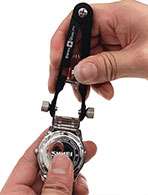
If you change straps or metal bracelets on your Rolex, using the correct tool helps prevent scratches around the lugs. A proper spring bar tool, like the Watch Strap & Bracelet Removal Tool, allows you to swap straps safely while protecting the case.
Cleaning also provides an opportunity to inspect the watch. Check the crown, clasp, bracelet, and crystal for damage or moisture. Even with careful daily maintenance, it is still important to have your watch serviced regularly to keep the internal movement operating smoothly.
Step 2: Keep the Movement Active With a Watch Winder

Every modern Rolex is powered by a mechanical movement designed for long-term durability and precision.
Inside the case, dozens of tiny gears, pivots, and springs work together with the help of specialized lubricants that reduce friction. These oils play a critical role in maintaining accuracy.
If a Rolex sits unused for long periods, those lubricants can slowly settle or congeal over time. When the watch is restarted months later, the movement may experience additional friction.
Keeping the movement active helps distribute lubrication and maintain performance.
Automatic Rolex watches wind themselves through the motion of your wrist. As you move throughout the day, the rotor rotates and winds the mainspring.
If you wear your Rolex regularly, this happens naturally.
If the watch spends extended time sitting in a drawer or safe, the movement will eventually stop. While this does not immediately harm the watch, it is good practice to keep it running occasionally.
Many collectors wind their watches periodically or use a watch winder to keep automatic watches active.
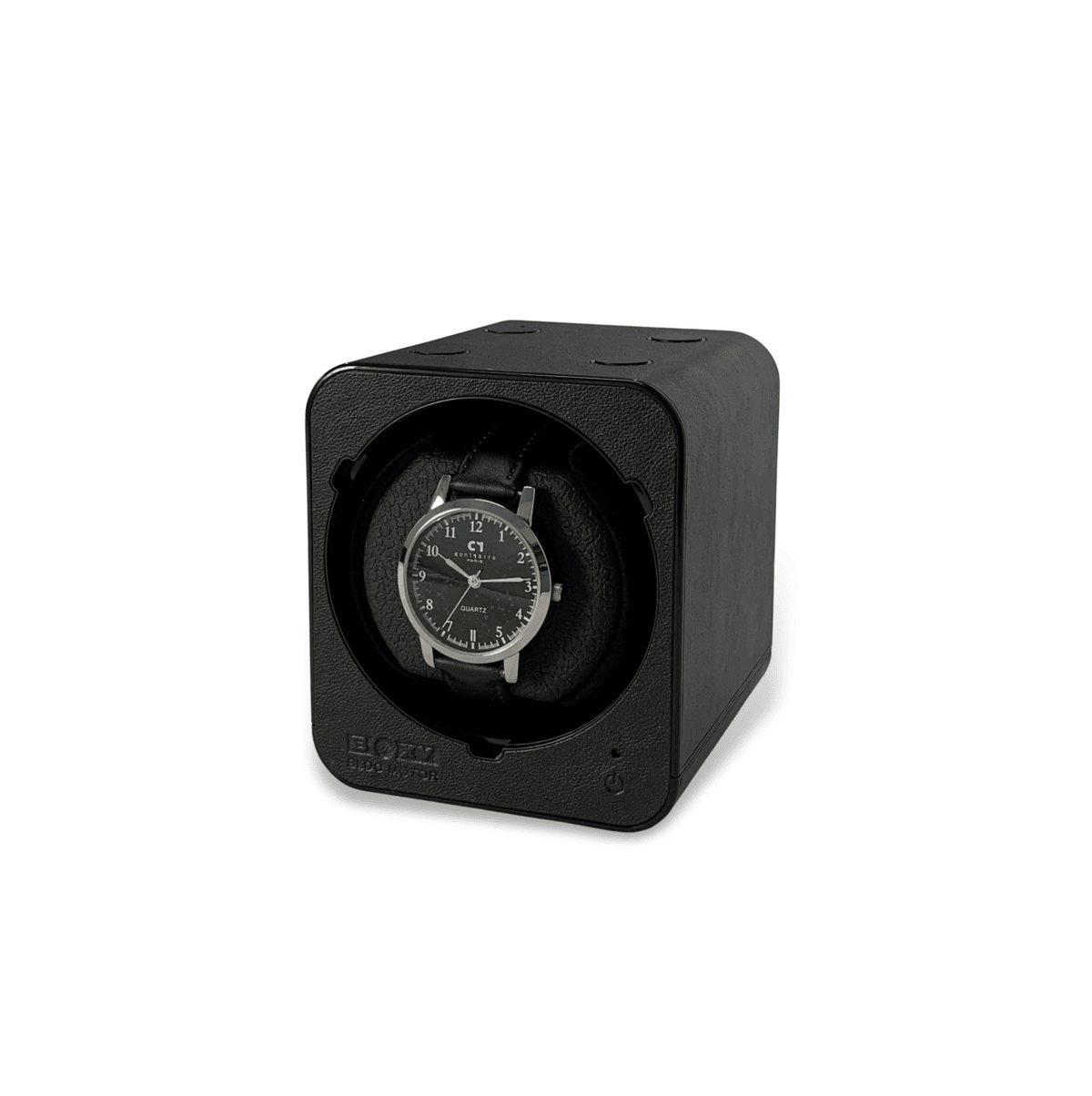
A watch winder rotates the watch slowly throughout the day, simulating natural wrist motion. This keeps the watch running, maintains the correct date setting, and helps distribute lubrication throughout the movement.
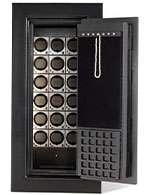
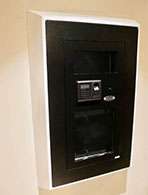
Collectors who own several Rolex watches often rely on systems like the All‑Steel Door BlumSafe for Watches Up to 12 Winders, which combine watch winders with secure storage. These systems maintain consistent rotation while protecting the collection inside a concealed safe.
Keeping the movement active is one of the most overlooked watch care tips, yet it plays a major role in preserving long-term accuracy.
Step 3: Protect Your Rolex from Environmental Hazards
Rolex watches are known for durability, but environmental exposure can still affect performance over time.
Magnetization
Magnets are everywhere in modern life: laptops, tablets, phone cases, speakers, and even handbag clasps. Exposure to a magnetic field can magnetize the hairspring inside a mechanical watch.
When this happens, the coils of the hairspring stick together, causing the watch to run dramatically fast.
If your watch suddenly begins gaining minutes per day, magnetization is often the cause. Fortunately, demagnetization is a quick service that most watchmakers can perform in minutes.
Moisture and Water Resistance
Many Rolex models are designed for excellent water resistance, including iconic sports models like the Submariner and Sea-Dweller. Even so, water resistance depends on rubber seals that gradually wear over time.
If your Rolex is frequently exposed to water, it is wise to have the water resistance tested periodically.
Salt water exposure deserves extra attention. After swimming in the ocean, rinse the watch with fresh water to remove salt and sand. Salt crystals can damage metal components and seals if left on the case.
Chemicals and Cosmetics
Cologne, hairspray, sunscreen, and cleaning chemicals can damage finishes and degrade leather straps. Spray fragrances before putting on your watch rather than afterward.
Leather straps are especially sensitive to chemicals and moisture. Heat, sweat, and UV radiation from direct sunlight can dry out leather and cause cracking.
Sunlight and Heat
Long periods in direct sunlight can fade certain dial finishes and degrade luminous markers. UV radiation and heat can also affect rubber seals and leather straps.
Storing your Rolex in a cool, dry place away from direct sunlight helps protect both the movement and exterior materials.
Step 4: Store and Secure Your Rolex Properly
When a Rolex is not being worn, proper storage becomes an important part of watch care.
Leaving a luxury watch loose on a nightstand exposes it to dust, accidental drops, and theft. Dedicated storage protects the watch and helps maintain its condition.
A proper watch storage system offers several benefits:
- Protection from dust and moisture
- Reduced risk of accidental damage
- Organized storage for multiple watches
- Consistent winding for automatic movements
- Security against theft
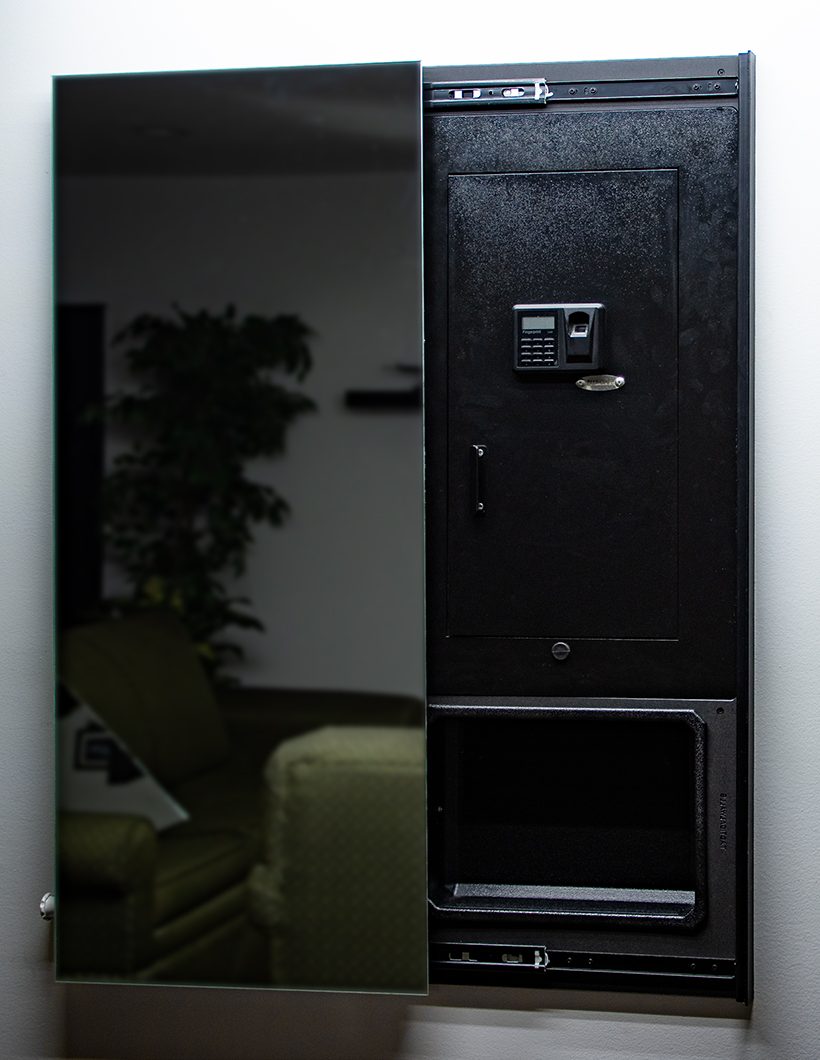
Collectors with multiple Rolex watches often choose a secure storage solution like the BlumSafe Collection, which integrates biometric security with built-in winders and organized compartments.
Travel also requires extra care. Tossing a Rolex loosely into luggage can expose it to scratches or impacts.
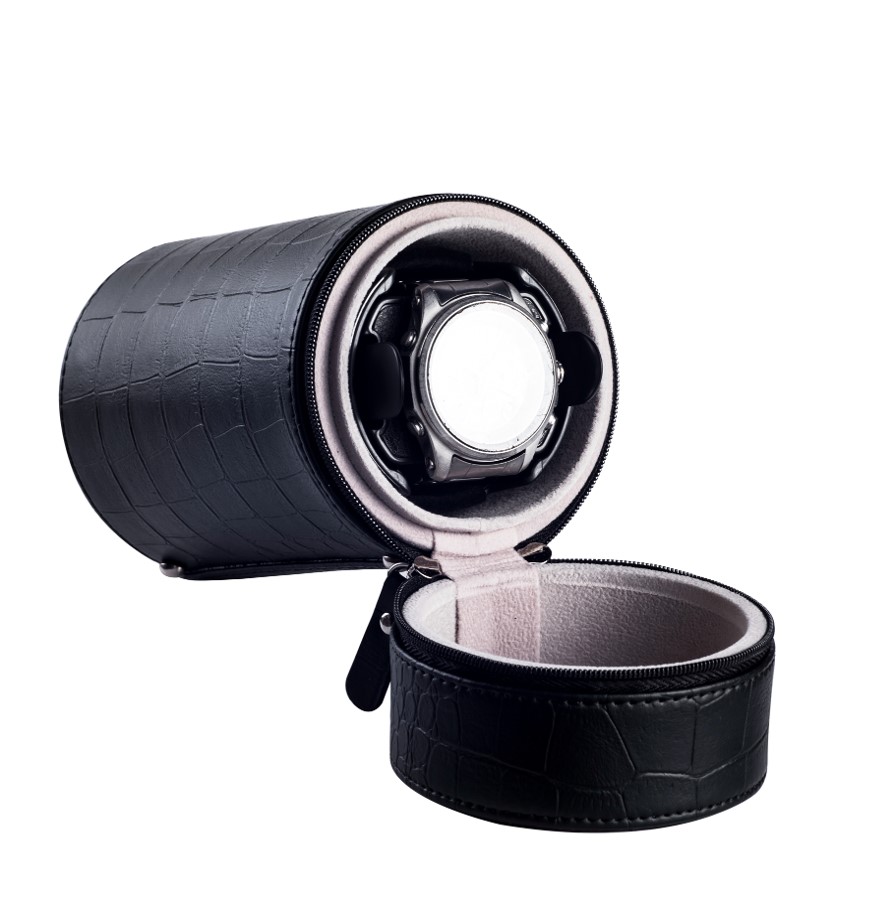
A travel watch winder or protective case helps keep the watch secure while maintaining movement rotation during travel.
Proper storage protects both the appearance and the mechanical health of your watch.
When Should You Have Your Rolex Serviced?
Even with excellent watch care, every Rolex eventually needs professional service.
Mechanical watches should typically be serviced every three to five years. During a service, a watchmaker disassembles the movement, cleans each component, replaces worn parts, applies fresh lubricants, and regulates the movement for accuracy.
This process also includes checking seals and restoring water resistance.
If a Rolex goes too long without service, lubricants can dry out or congeal over time, increasing friction inside the movement.
Signs that a watch may need service include:
- The watch runs significantly fast or slow
- The watch stops unexpectedly
- The date mechanism struggles to change
- Moisture appears under the crystal
- Power reserve decreases noticeably
Having your watch serviced at the recommended intervals helps maintain accuracy and protects the long-term reliability of the movement.
Watch Maintenance for Vintage Quartz Rolex Watches
Vintage quartz Rolex watches—especially models powered by the historic Oysterquartz movement—require slightly different care than modern mechanical Rolex models. While quartz watches are known for reliability and accuracy, they still benefit from thoughtful watch maintenance to protect both the electronics and the physical components of the watch.
The most important rule for vintage quartz Rolex watches is battery maintenance. Unlike a mechanical watch, a quartz movement relies on a battery to power the timekeeping circuit and stepper motor. These batteries typically last between one and three years. When the battery dies, it should be replaced as soon as possible. Leaving a dead battery inside the watch can lead to leakage, which may damage internal components and require expensive repairs.
Quartz Rolex watches should also be stored carefully when not worn. Even though they do not require winding like automatic watches, they still benefit from a clean, dry environment that protects the movement from moisture, dust, and temperature fluctuations. Avoid storing them in areas with high humidity, such as bathrooms.
It’s also important to remember that vintage quartz Rolex watches still contain delicate mechanical components. The gear train and stepper motor inside the movement can wear over time, and lubricants can still degrade with age. For that reason, it’s wise to have a vintage quartz Rolex inspected or serviced periodically, even if it appears to be keeping accurate time.
Finally, handle the crown and pushers gently. Many vintage quartz Rolex models are decades old, and their seals and gaskets may no longer provide the same level of water resistance they once did. Avoid exposing older watches to water unless their seals have been recently checked.
With proper battery care, occasional servicing, and careful storage, a vintage quartz Rolex can remain a reliable and historically significant timepiece for many years to come.
What Are The Best Rolex Watch Care Tips?
Rolex watches are built to last a lifetime, but even the best mechanical watch performs better when owners follow a few simple habits.
The most effective watch care tips remain surprisingly straightforward: clean your watch regularly, keep the movement active, protect it from environmental hazards, and store it properly when it is not on your wrist.
For collectors with multiple Rolex watches, secure storage and watch winders make these habits easier to maintain while protecting the entire collection.
With consistent watch maintenance and occasional professional service, a Rolex can easily run for generations—and that enduring reliability is exactly why so many collectors value them.