





5 Eye-Opening Home Burglary Statistics You Should Know
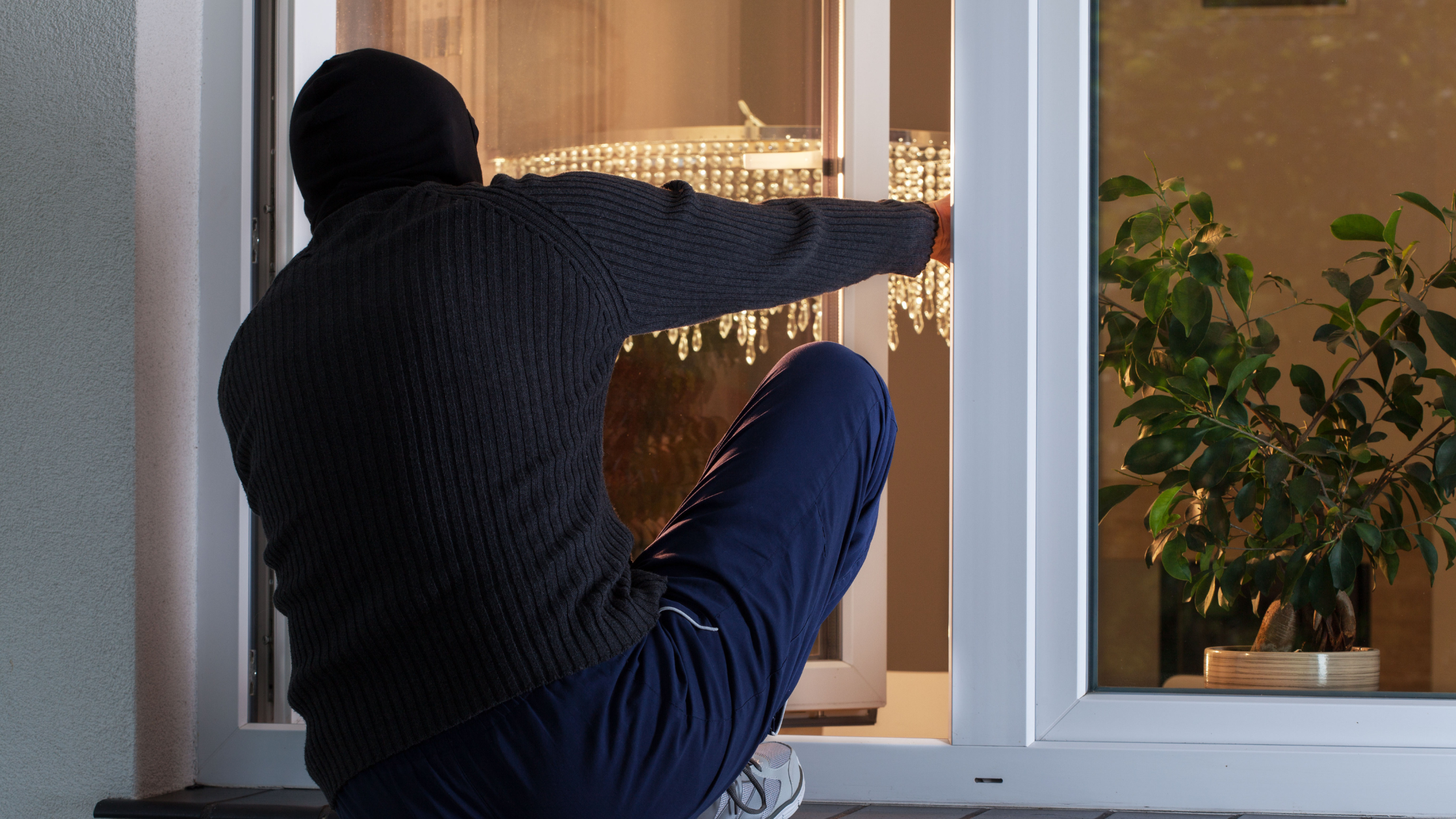
If you’ve ever found yourself Googling home invasion statistics, you’re not alone. Most people aren’t trying to become crime analysts—they’re trying to protect their house, their property, and their loved ones. The tricky part is that “home invasion” gets used in a lot of different ways in real life, in the news, and even in state statutes. So when you’re reading statistics, you want to know what’s actually being measured and what that means for your security decisions.
One of the best places to start for home invasion statistics and other crimes is the National Crime Victimization Survey (NCVS), run by the U.S. Department of Justice. Unlike police-reported counts alone, the NCVS captures both reported and unreported crimes, which helps paint a more complete picture of risk. With that in mind, here are five numbers that should shape how you think about burglary, forced entry, and building a safer home.
1. Burglary still hit an estimated 1.48 million victimizations in 2019.
Even in a “lower” year, burglary isn’t rare. The NCVS estimated 1,484,730 burglaries in 2019—about 11.7 burglaries per 1,000 households. That rate was down from 2018, but it still represents a massive amount of unlawful entry happening across the country. And the definition of burglary doesn’t include the many incidents of theft that involve an “invitee” to your home – a cleaner, plumber or your teenage child’s friend, all of whom may be tempted to take a valuable left out in the open in plain view, or carelessly “hidden” in a top dresser drawer. A secured – yet accessible – place for your valuables is more likely to “keep honest people honest”.
What it means in real life: burglary is still a volume crime. Most offenders aren’t running a complex process—they’re looking for fast access, low resistance, and a clean escape. If your plan is “we’ll deal with security later,” you’re betting your valuables on luck.
How to respond (without turning your home into a fortress):
- Harden common access points: solid doors, quality lock hardware, reinforced strike plates.
- Use a basic security system and visible monitoring where it makes sense (cameras, door/window sensors, signage).
- Add at least one serious internal layer that protects what matters most.
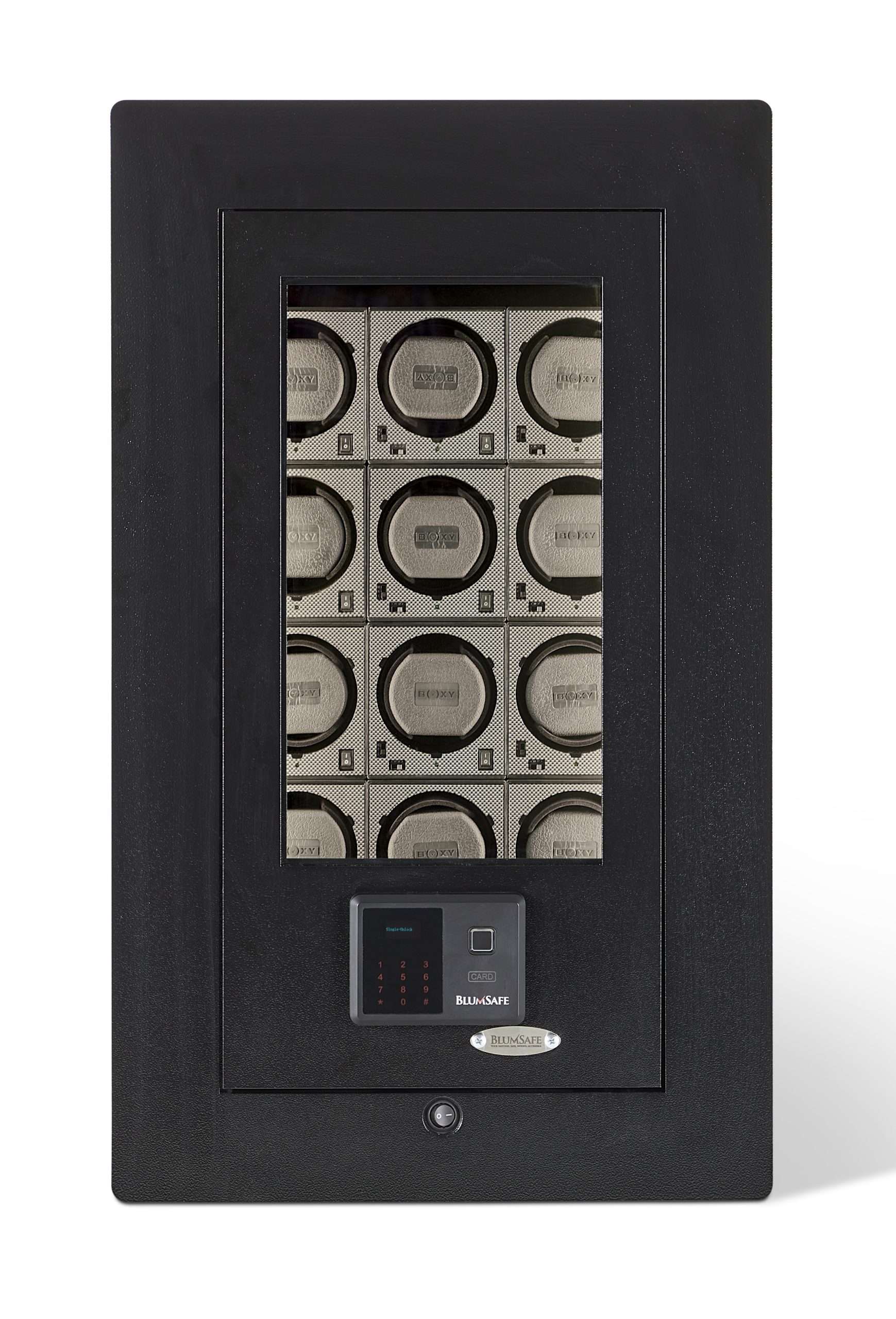
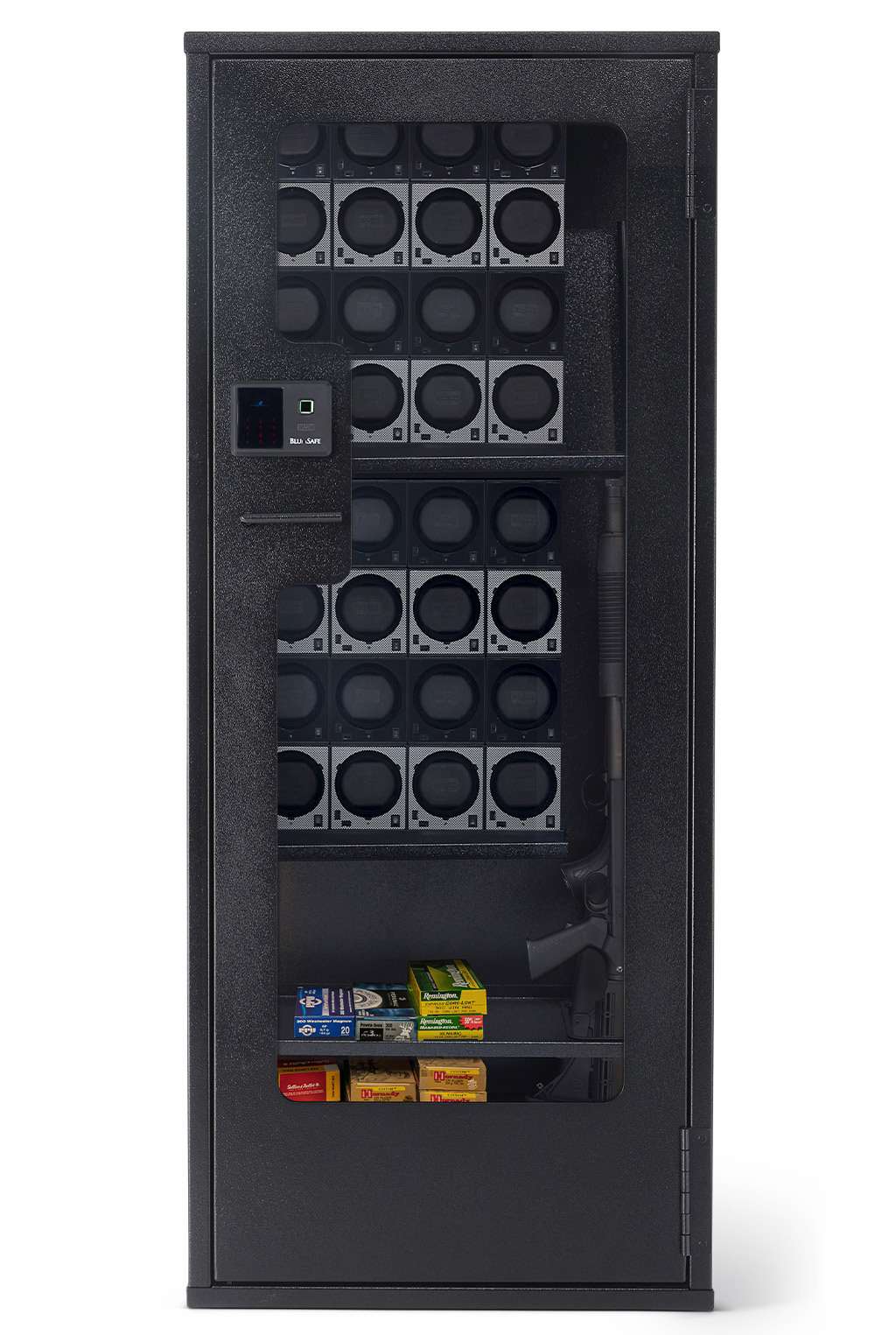
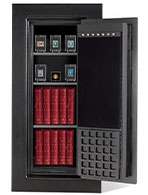
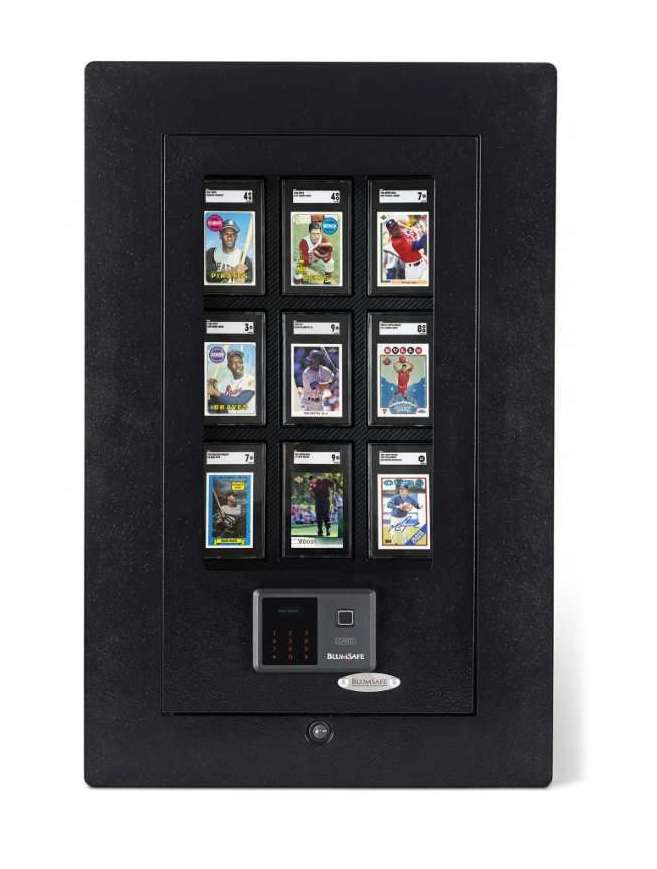
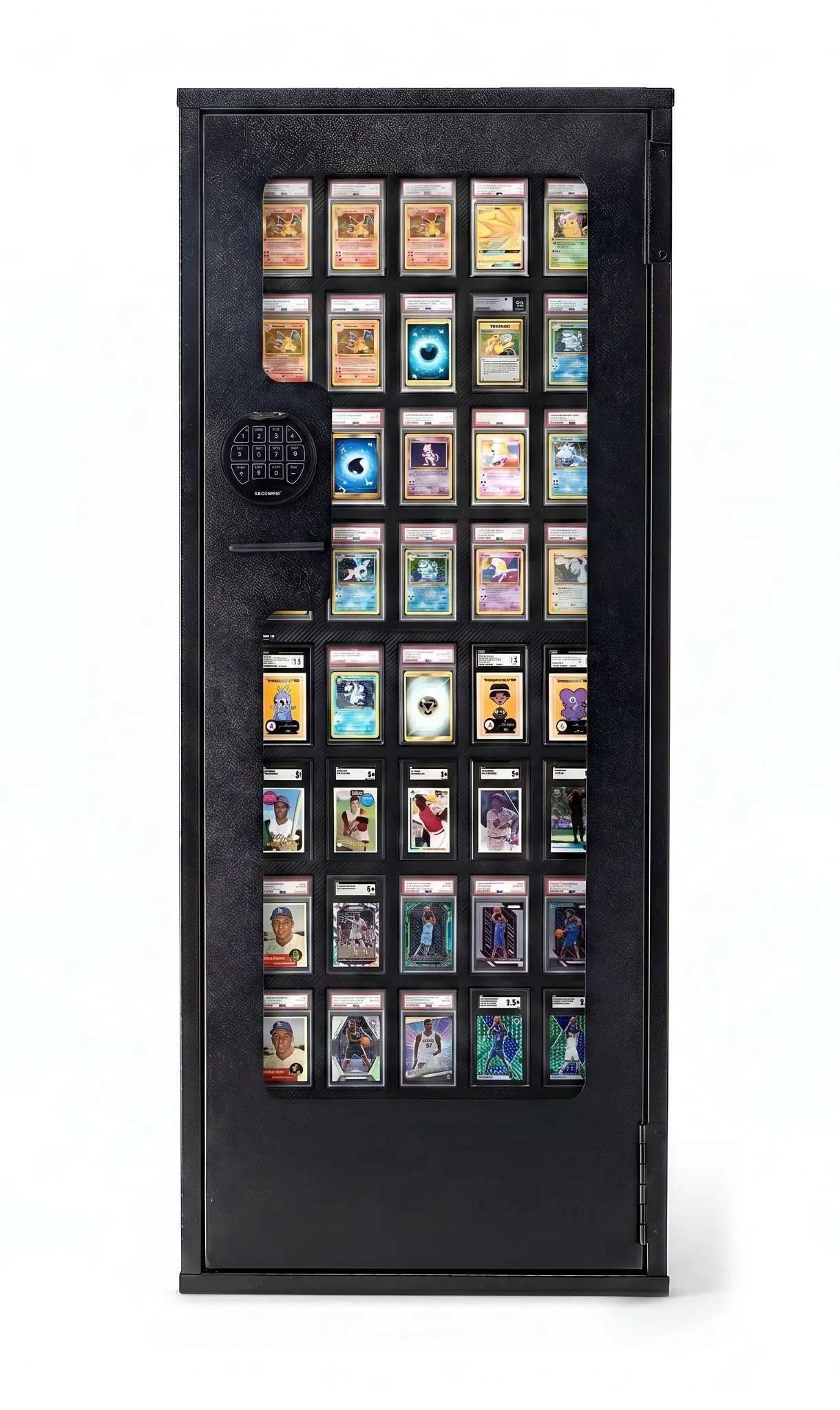
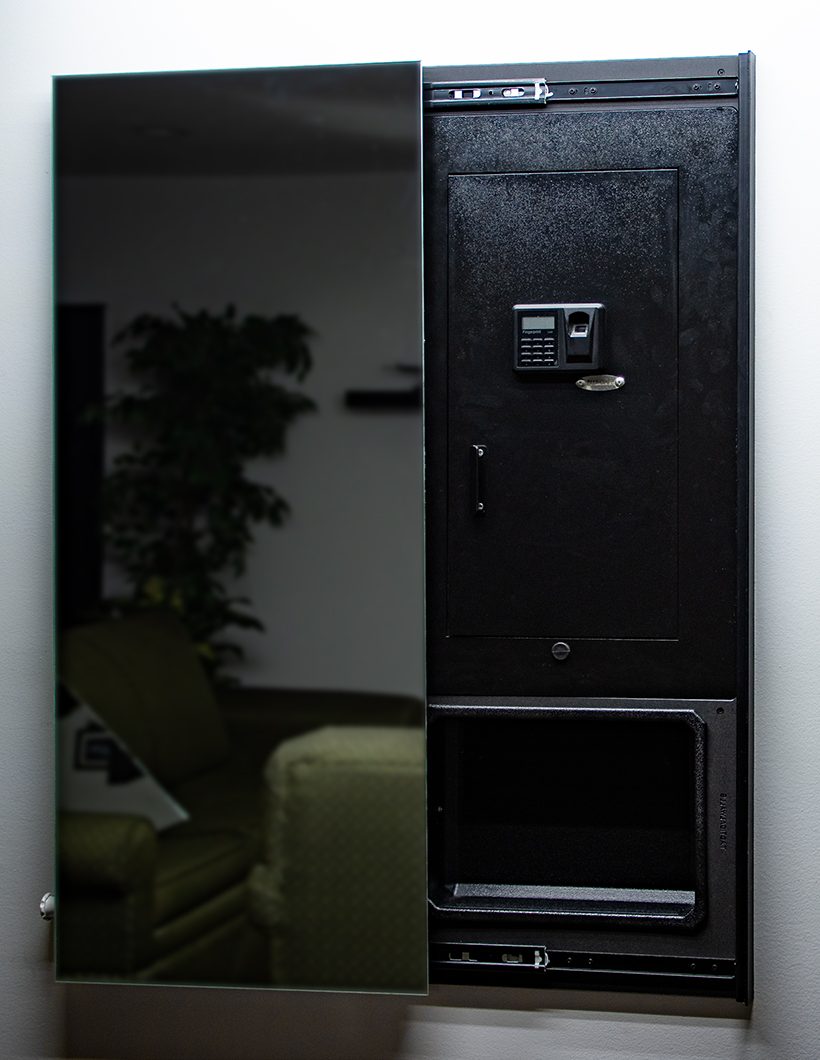
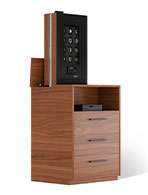
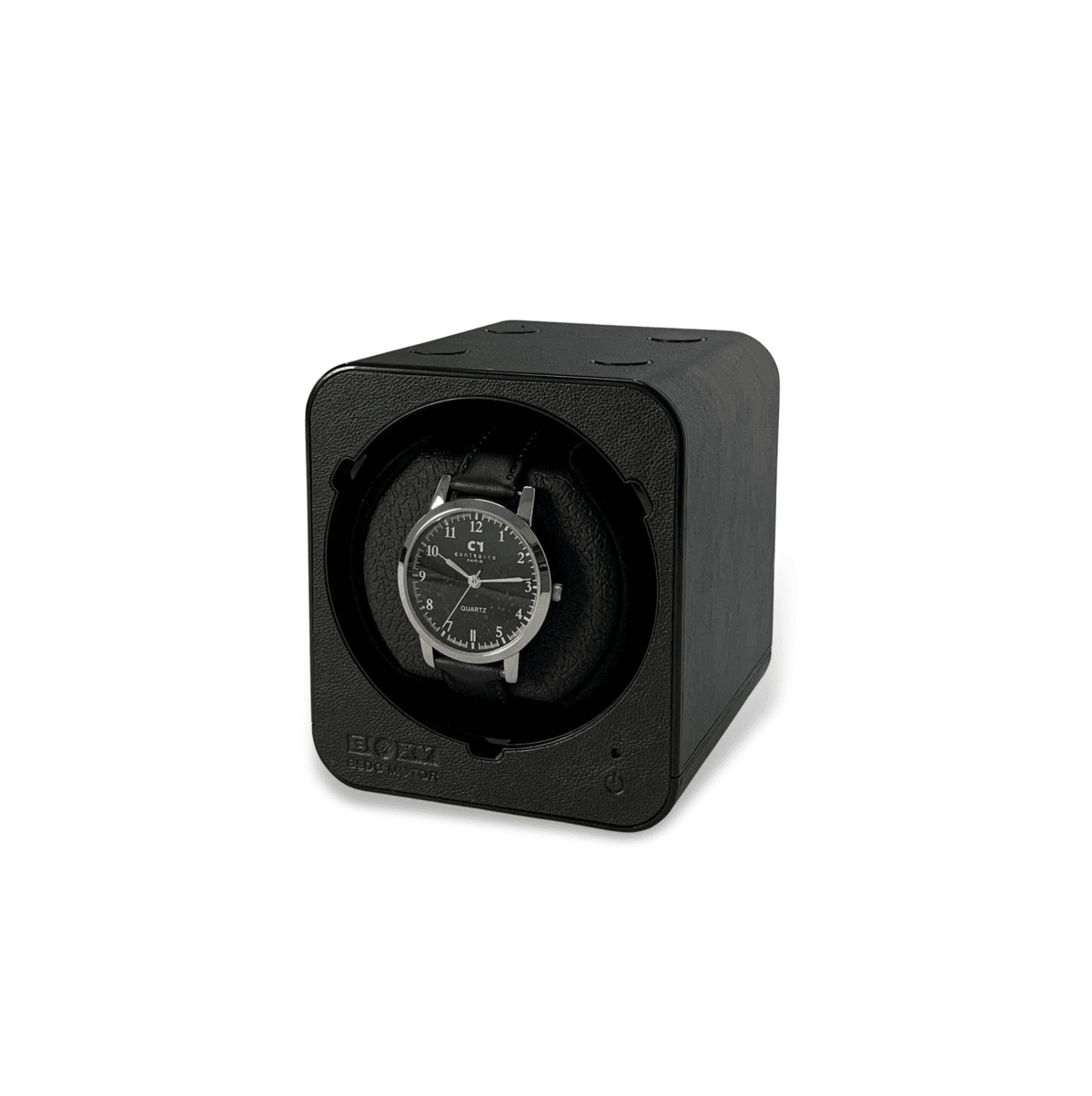
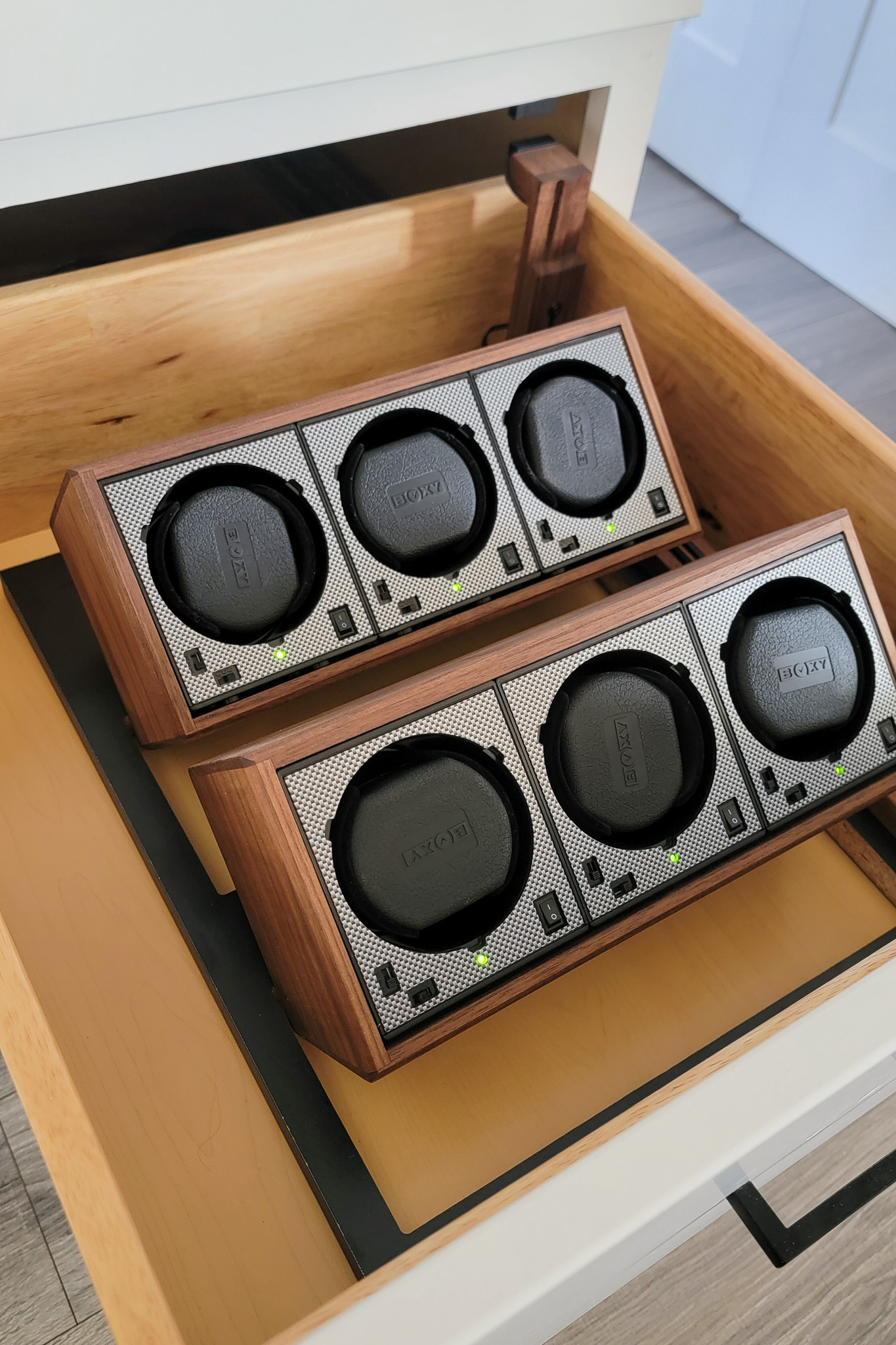
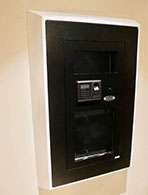
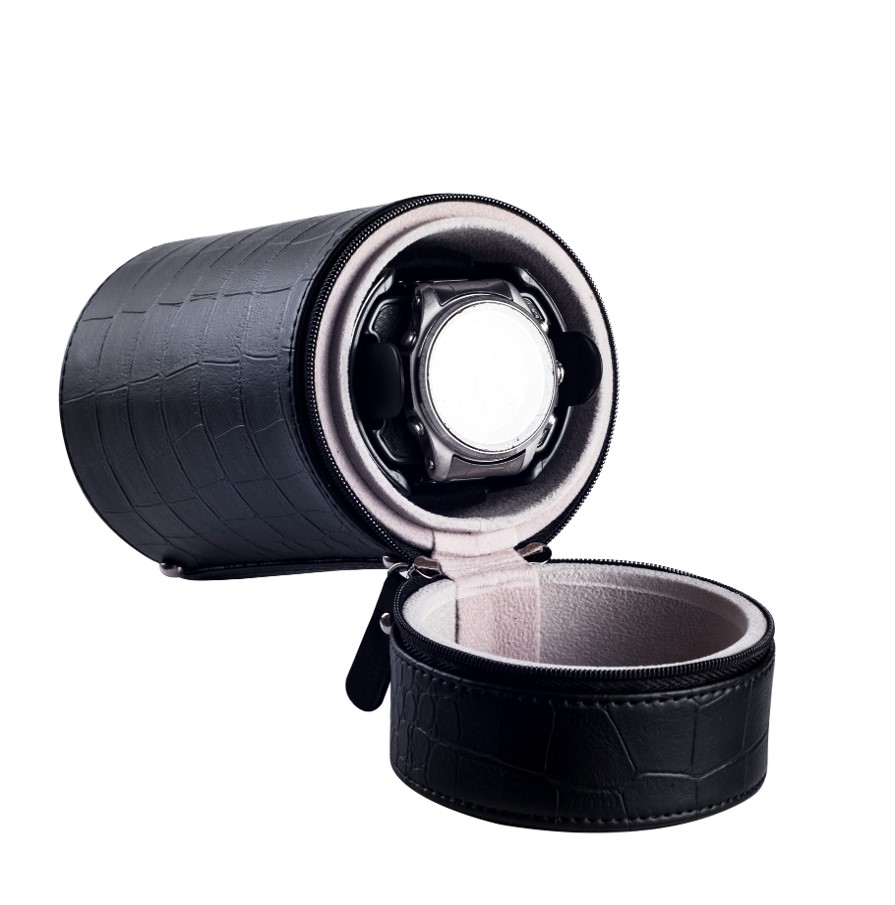
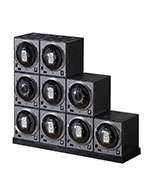
This is where a built-in safe becomes a practical decision, not a dramatic one. A wall safe that’s physically secured to the structure, yet readily accessible for use in a bedroom or dressing room, adds a real barrier if a burglar gets inside and, if concealed, is harder for the burglar to find as well (“if they can’t find it, they can’t steal it”).. If you want a dedicated option for luxury watches and valuables, start with the All-Steel Door BlumSafe for Watches (any combination of up to 12 watch winders, jewelry drawers, etc.) or BlumSafe’s fireproof Professional (up to 18 winders, jewelry drawers, etc.) as high-security, purpose-built storage solutions.
2. Burglary rates are declining, yet over 1.04 million households were still hit.
The report notes that the percentage of households that experienced burglary was 0.82% in 2019, the lowest level since the NCVS was redesigned in 1993. That sounds reassuring—until you connect it to the scale: the same report estimates 1,040,730 households were burglarized in 2019.
What it means in real life: even when the overall percentage looks “small,” the number of victims is still enormous. If you own items that are high value, easy to carry, and hard to recover—watches, jewelry, cash, heirlooms—one burglary is all it takes to become a statistic.
Why recovery and replacement can be a harsh truth: homeowners insurance can help with money, but it can’t replace sentimental value. Security planning shouldn’t start and end with paperwork. It should start with prevention and containment: reduce the chance of entry, and reduce the chance of a successful theft if entry happens.
BlumSafe fits best as that internal containment layer. You’re not relying on a single alarm chime or a single lock; you’re building redundancy.
3. Burglary dropped 22% from 2018 to 2019—but “crime trends” don’t eliminate personal risk.
From 2018 to 2019, the burglary rate fell from 15.0 to 11.7 burglaries per 1,000 households, a 22% decrease. That decline also helped drive an overall drop in property crime rates.
This is one of those “good news/still actionable” moments. Declining crime trends are real and worth acknowledging, but they don’t change the basic mechanics of burglary: a burglar breaks or exploits an entry point, targets portable valuables, and wants out before being identified.
What it means in real life: trends help you understand the landscape, but they don’t protect your specific location, your specific house, or your specific family. Security is about reducing risk, not predicting the future.
A practical approach that matches how burglars operate:
- Make entry louder and slower (door reinforcement, quality lock, window security film where appropriate).
- Make the “reward” harder to access (secure storage for valuables).
- Make the environment feel high risk (lighting, visibility, signage, monitoring).
If you want the added advantage of concealment—especially for collectors who don’t want a visible safe telegraphing “valuables here”—BlumSafe’s concealment options are built for that reality.
4. Property crime overall was 101.4 victimizations per 1,000 households—and burglary is still a meaningful slice.
In 2019, the NCVS estimated 12,818,000 total property victimizations, with a rate of 101.4 per 1,000 households. That total includes burglary, trespassing, motor-vehicle theft, and other theft.
When you zoom in, burglary/trespassing (a combined category in the table) accounted for 2,178,400 victimizations in 2019, or 17.2 per 1,000 households.
What it means in real life: burglary doesn’t happen in isolation. A neighborhood experiencing more property crimes often has more attempted access events—door handle checks, garage pulls, unlawful entry attempts. That’s why your plan shouldn’t be “stop everything.” It should be “block easy wins.”
Security that works even when you’re not thinking about it:
- Keep doors and windows locked (sounds obvious; it’s still one of the biggest gaps).
- Eliminate easy access points (spare keys, hidden ladders, predictable routines).
- Treat your safe like a structural component, not a drawer upgrade.
A properly installed in-wall safe becomes “always on” security service—no batteries, no app, no remembering. It’s a physical barrier that keeps doing its job whether you’re home, at dinner, or out of town.
5. The NCVS separates victimization from reporting—and that matters when you’re assessing risk.
One of the most important parts of interpreting home invasion statistics is understanding what a number represents. The NCVS lays out three different ways to measure crime: prevalence (how many households experienced at least one crime), victimizations (the total number of times households were victimized), and incidents (specific criminal acts).
What it means in real life: if you only look at police reports (including Uniform Crime Reporting-style counts), you’re seeing an important dataset—but not the full file of what people experienced. The NCVS is built to capture crimes regardless of whether the victims called police. For homeowners, that’s a reminder to avoid false confidence. Underreporting exists, and burglary is a category where many people minimize losses or assume nothing will happen.
So what should you do with that information?
- Use local reported data to understand crime trends in your area.
- Use NCVS-style victimization data to keep your expectations realistic.
- Build layered security that protects you even if a burglar isn’t deterred.
This is also where concealment makes practical sense. Most burglars aren’t conducting a careful search. They’re making quick judgments—what’s easy to access, what’s visible, what can be carried. A concealed, in-wall safe changes that equation in your favor.
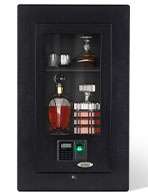
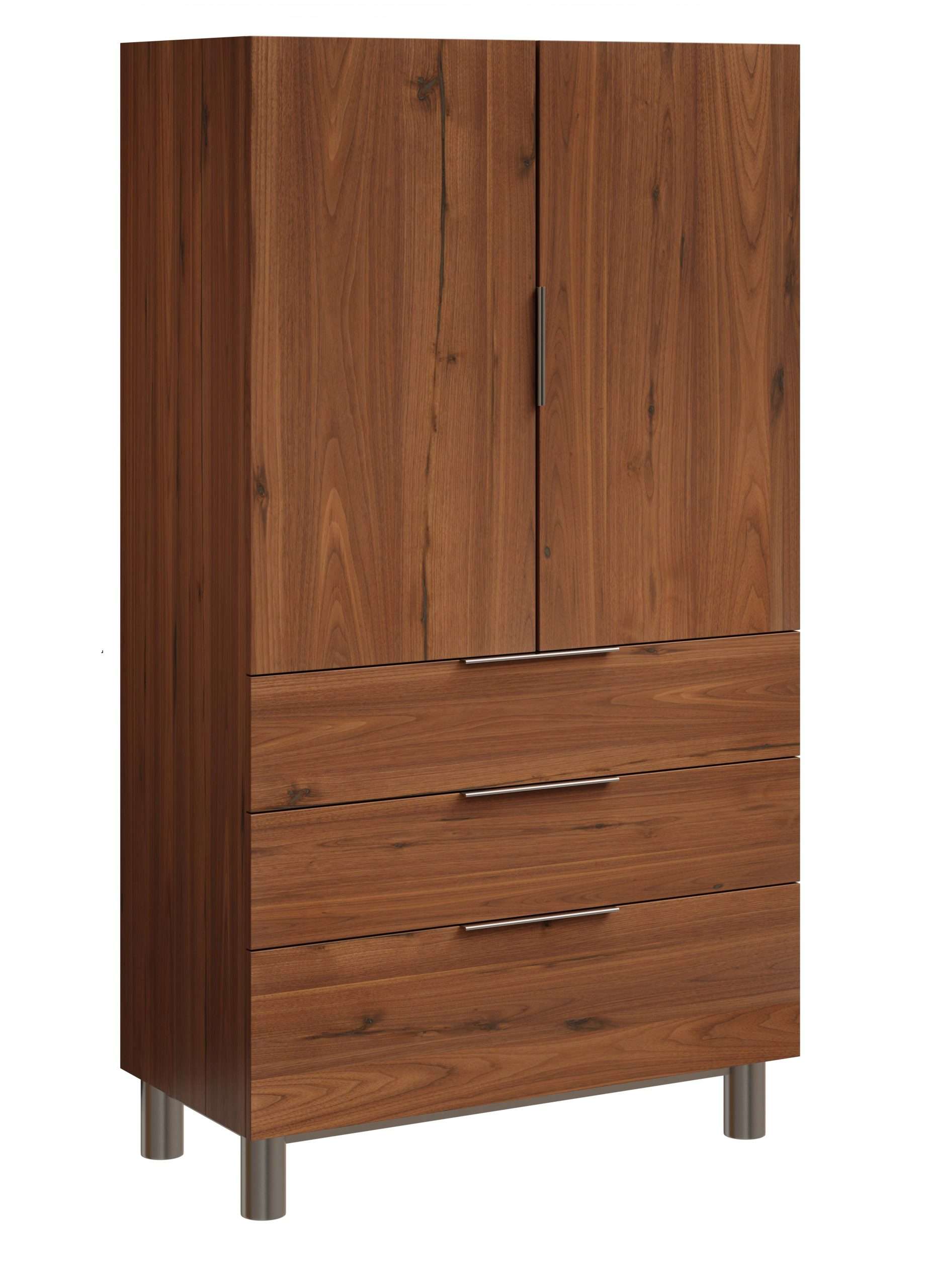
If you want a concealment-first setup, look at the BlumSafe Concealment Cabinet (Made in USA), and pair it with a BlumSafe model that matches your storage needs.
Turning Statistics Into a Smarter Home Security Plan
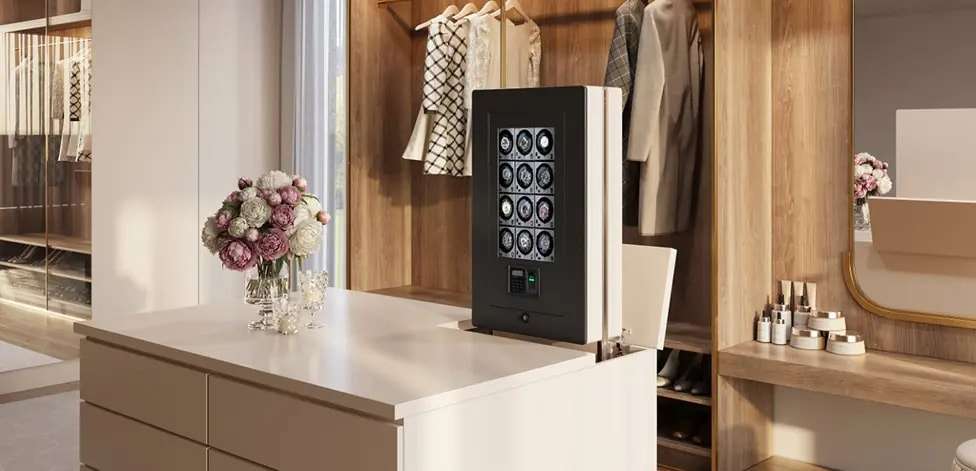
If there’s one thread running through all five of these points, it’s this: burglary is common enough that you should plan for it, and predictable enough that you can plan well.
A strong setup usually looks like:
- Deterrence: lighting, visible security system cues, monitoring, trimmed landscaping, clean sightlines
- Delay: reinforced doors, better locks, window protection where needed
- Containment: a real safe solution that resists physical force and keeps valuables protected during the short window burglars operate in
BlumSafe is designed to live in that “containment” layer—especially for watch collectors and anyone storing jewelry, cash, firearms, or other high-value property. If you want to compare configurations, start here: BlumSafe collection.
Home Invasion Statistics Are Useful Only If You Act on Them
Reading home invasion statistics can feel abstract until you picture what a burglary looks like in real life: a fast entry attempt, a short time inside, and a focus on portable valuables. The NCVS data shows burglary rates can decline and still affect more than a million households in a single year.
If you take one step after reading this, make it a step that adds a layer you don’t have today—better locks, better visibility, a smarter security system, or a serious safe that’s built into the structure of your house. Knowledge helps. Physical security protects.
And if you’re ready to build that internal layer, explore BlumSafe’s high-security and concealment options so your valuables stay blocked, secured, and where they belong.